Views: 244 Author: Site Editor Publish Time: 2026-04-22 Origin: Site


Hoodies are one of the most difficult categories to standardize in apparel manufacturing.
Unlike T-shirts, hoodies involve multiple structural elements that must remain consistent across production cycles, including:
fabric weight (typically 280–500 GSM)
fleece density and brushing quality
ribbing elasticity (cuffs and hem)
hood shape and stitching structure
Most factories can produce a hoodie sample that looks acceptable.
The real challenge appears during repeat orders — when maintaining the same weight, shape, and feel becomes difficult.
Below is a more practical breakdown of hoodie manufacturers used across different stages of brand development.

https://www.doven-garments.com/
Doven operates as a production partner for brands that are already past the sampling phase and are starting to scale hoodie SKUs.
In real production environments, hoodie issues tend to show up after initial success:
fleece density varies between batches
hood loses structure after washing
ribbing stretches out faster than expected
sizing tolerance becomes inconsistent when volume increases
Doven is typically introduced at this stage, where the requirement shifts from “make this hoodie” to “make this hoodie the same every time”.
Production capabilities include:
heavyweight hoodies (280–500 GSM)
brushed fleece and French terry
oversized and streetwear silhouettes
garment dye, enzyme wash, acid wash
screen printing, embroidery, puff print
full private label (labels, packaging, trims)
From a supply chain perspective, Doven fits into the scaling and stabilization phase.
Best for:
brands with proven products, repeat production cycles, streetwear labels
Not ideal for:
low-budget testing or one-off orders

Appareify is positioned as a flexible hoodie manufacturer focusing on customization rather than volume.
They are often used when brands are still exploring:
different fabric compositions
multiple hoodie fits (oversized vs standard)
various printing and finishing techniques
Their setup allows for relatively quick iteration between styles, which is useful during product development stages.
However, compared to larger factories, their strength is not in large-scale standardized output, but in adaptability during early and mid-stage development.
Best for:
brands testing hoodie variations, developing collections
Not ideal for:
high-volume production with strict consistency requirements

AEL Apparel operates as a capacity-oriented manufacturer with the ability to handle large production volumes.
They are typically used when a brand has already identified best-selling hoodie styles and needs to scale production efficiently.
Operational characteristics:
multiple production lines
stable output for bulk orders
standardized QC processes
The trade-off is reduced flexibility for small changes once production is set.
In sourcing terms, AEL is commonly used during the transition from product validation to mass production.
Best for:
bulk hoodie production, wholesalers, scaling brands
Not ideal for:
frequent design changes or small-batch experimentation
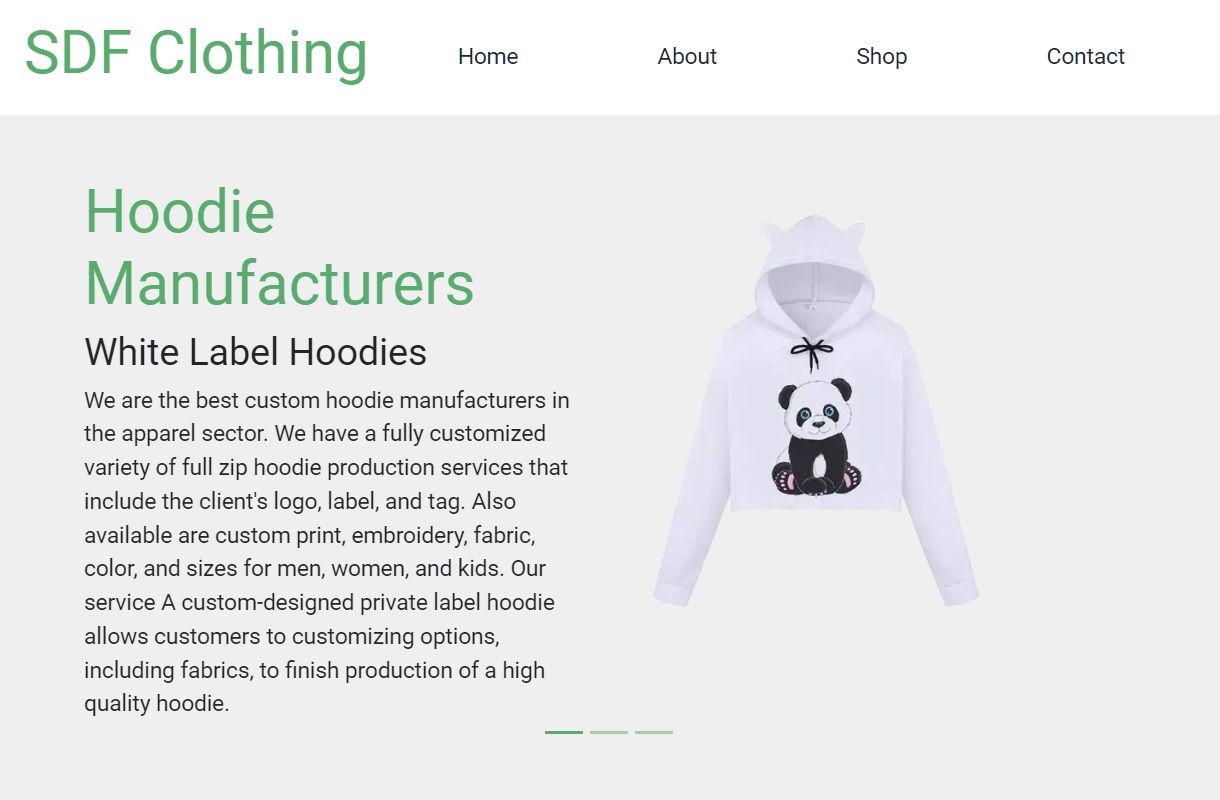
SDF Clothing represents a typical Bangladesh-based hoodie manufacturer operating within a cost-efficient export model.
Bangladesh is one of the largest global hubs for knitwear production, and suppliers like SDF are structured around:
large-scale output
low labor cost advantage
export-oriented production
They usually work under white-label or OEM arrangements, where branding is applied by the buyer.
However, customization depth (especially for complex washes or premium finishing) is more limited compared to higher-end factories.
Best for:
bulk production, cost-sensitive brands
Not ideal for:
high-end or design-heavy hoodies
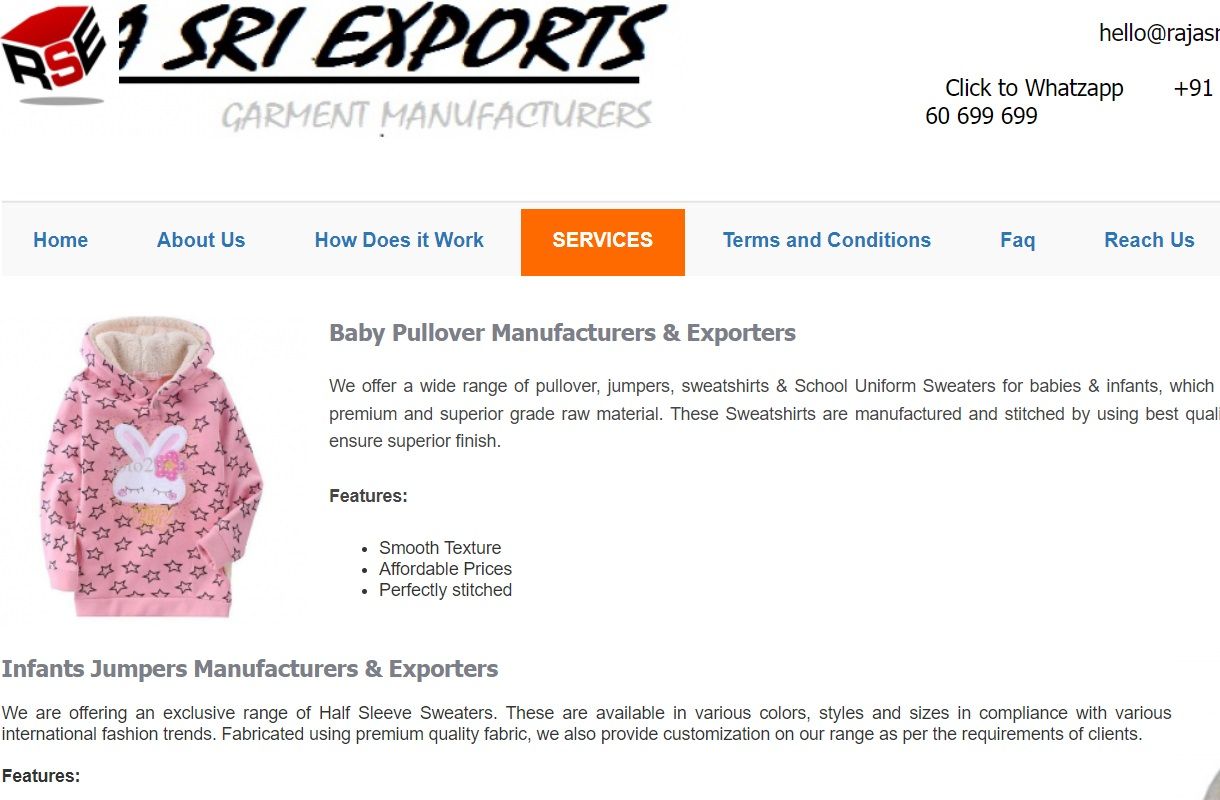
(manufacturer reference – Tirupur cluster)
Raja Sri operates within the Tirupur ecosystem in India, which is one of the world’s largest knitwear manufacturing clusters.
Their advantages come from:
strong cotton supply chain
competitive labor cost
established export infrastructure
Factories in this region are typically used for:
basic hoodie production
large volume orders
cost-focused sourcing strategies
However, more advanced finishing techniques and complex construction may require closer supervision.
Best for:
bulk basic hoodies, cost-driven sourcing
Not ideal for:
premium or highly customized garments

Shaka Wear is widely known in the US streetwear scene for producing heavyweight blank hoodies.
Unlike traditional OEM factories, they focus on finished blank garments designed for printing and branding, especially in the streetwear and urban fashion market.
Their hoodies are often used because of:
very heavy GSM options (streetwear standard)
boxy, oversized fits
strong fabric durability for printing
In practice, many brands don’t “manufacture” hoodies here — they build brands on top of these blanks.
Best for: streetwear brands, print-focused labels
Limitations: limited full cut-and-sew customization

AS Colour is a premium blank apparel supplier widely used in Australia, New Zealand, and Western markets.
Their positioning is very clear: high-quality blanks for customization, not full OEM manufacturing.
Key strengths:
consistent sizing across global batches
premium cotton fleece construction
strong retail-ready finish
They are often used by brands that prioritize:
clean aesthetic + reliable blank base
Best for: premium basics, lifestyle brands
Limitations: not suitable for heavy customization or low-cost bulk production

Gildan is one of the largest basic apparel manufacturers globally, heavily dominating the wholesale blank hoodie market.
Their model is based on mass production efficiency, supplying blank hoodies and sweatshirts at extremely large scale.
Common characteristics:
very competitive pricing
stable supply chain
widely used for promotional apparel
However, design flexibility is minimal, and product differentiation is limited.
Best for: promo wear, bulk wholesale, budget brands
Limitations: low differentiation, basic construction
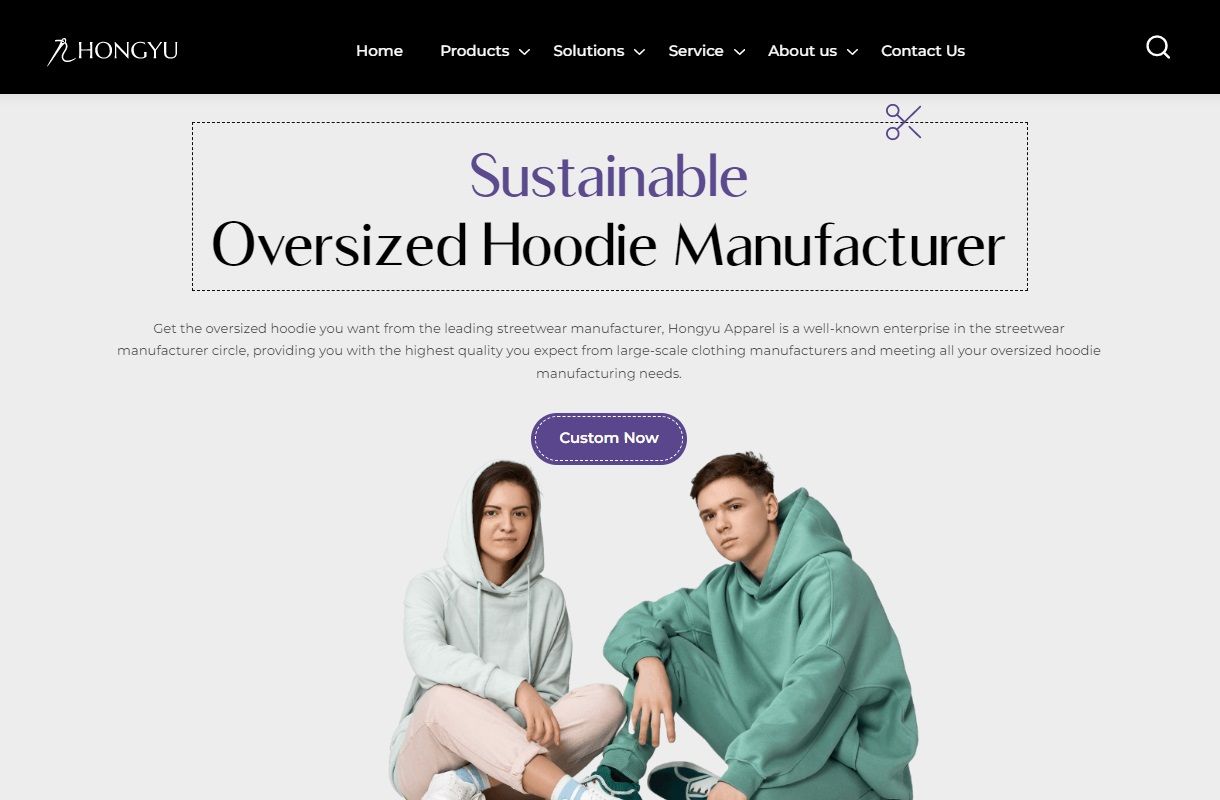
(manufacturer reference – streetwear hoodie supplier)
Hongyu Apparel is known for producing oversized and streetwear-oriented hoodies.
Their focus is on:
silhouette design (boxy fits, dropped shoulders)
trend-driven styles
visual execution (prints, washes, distressing)
Compared to capacity factories, they are more design-focused, making them suitable for brands targeting fashion and streetwear segments.
Best for:
streetwear brands, oversized hoodie styles
Not ideal for:
basic bulk production
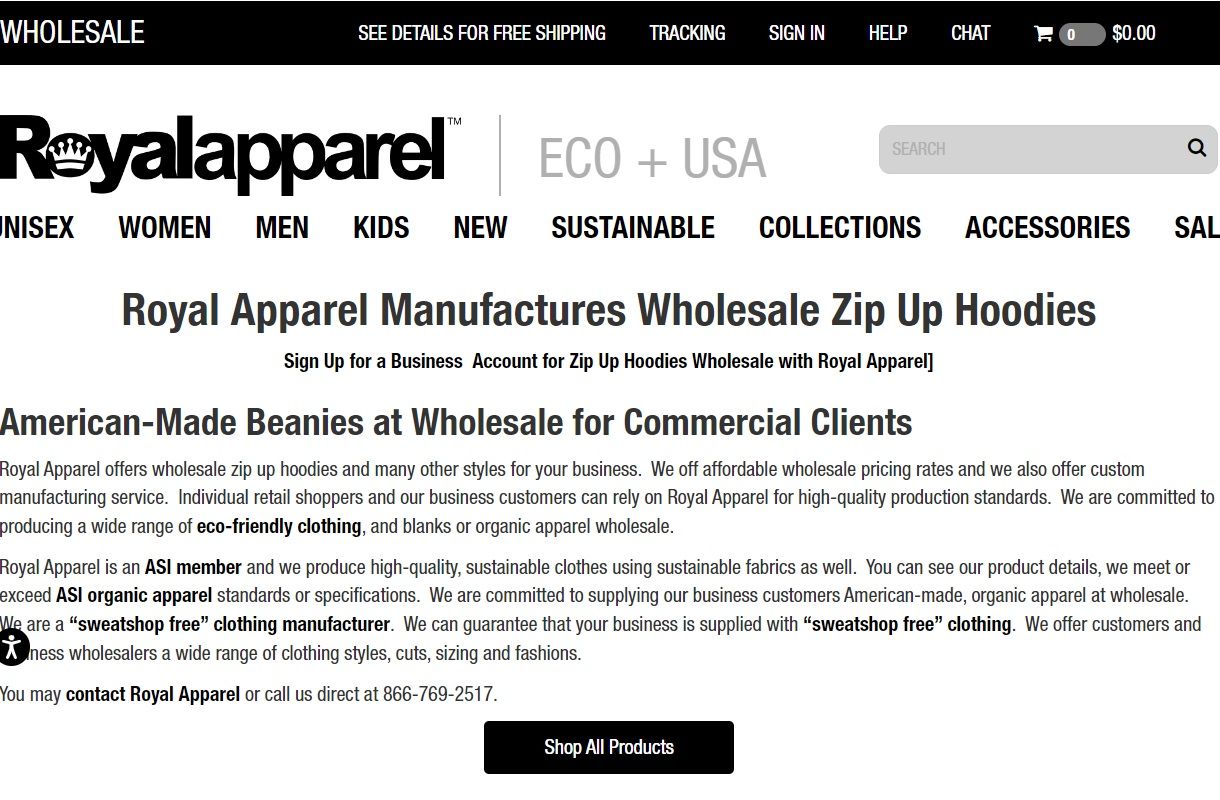
Royal Apparel represents a different segment — domestic US manufacturing with a sustainability focus.
They offer:
organic cotton hoodies
eco-certified production
Made-in-USA manufacturing
Their cost structure is significantly higher, but they serve brands that prioritize:
ethical sourcing
local production
sustainability positioning
They are less about scale, and more about compliance and brand alignment.
Best for:
eco-conscious brands, US market positioning
Not ideal for:
low-cost bulk production
In real operations, brands move through supplier types:
Early stage → UberPrints / local customization
Development → flexible OEM (Appareify)
Growth → structured OEM (Doven / Seam)
Scaling → high-capacity factories (AEL / Bangladesh / India)
Very few brands rely on a single supplier long-term.
focusing only on price per unit
ignoring GSM consistency across batches
skipping wash testing
not checking ribbing and fleece durability
switching suppliers too frequently
Hoodie manufacturing is not about finding a factory that can produce one good sample.
It is about finding a supplier that can: