Views: 244 Author: Site Editor Publish Time: 2025-10-20 Origin: Site


Every successful premium fashion brand shares one thing in common — an exceptional clothing manufacturer behind the scenes. From luxury fabrics to flawless stitching, premium labels are built on consistency, precision, and passion.
Choosing the right manufacturing partner doesn’t just influence your products — it defines your entire brand identity.
A brand’s reputation depends heavily on its manufacturing quality. The right clothing manufacturer ensures your designs translate into garments that reflect your brand’s promise.
Luxury brands like Chanel or Ralph Lauren maintain their prestige not only through design, but through the unseen craftsmanship provided by reliable production partners.
Premium garment production involves several key stages:
Design consultation and pattern making – transforming creative ideas into technical blueprints.
Fabric sourcing and sampling – selecting the right materials for feel, durability, and look.
Cutting, stitching, and finishing – ensuring every detail meets luxury standards.
A trustworthy manufacturer keeps clients informed at every stage, ensuring transparency and alignment.
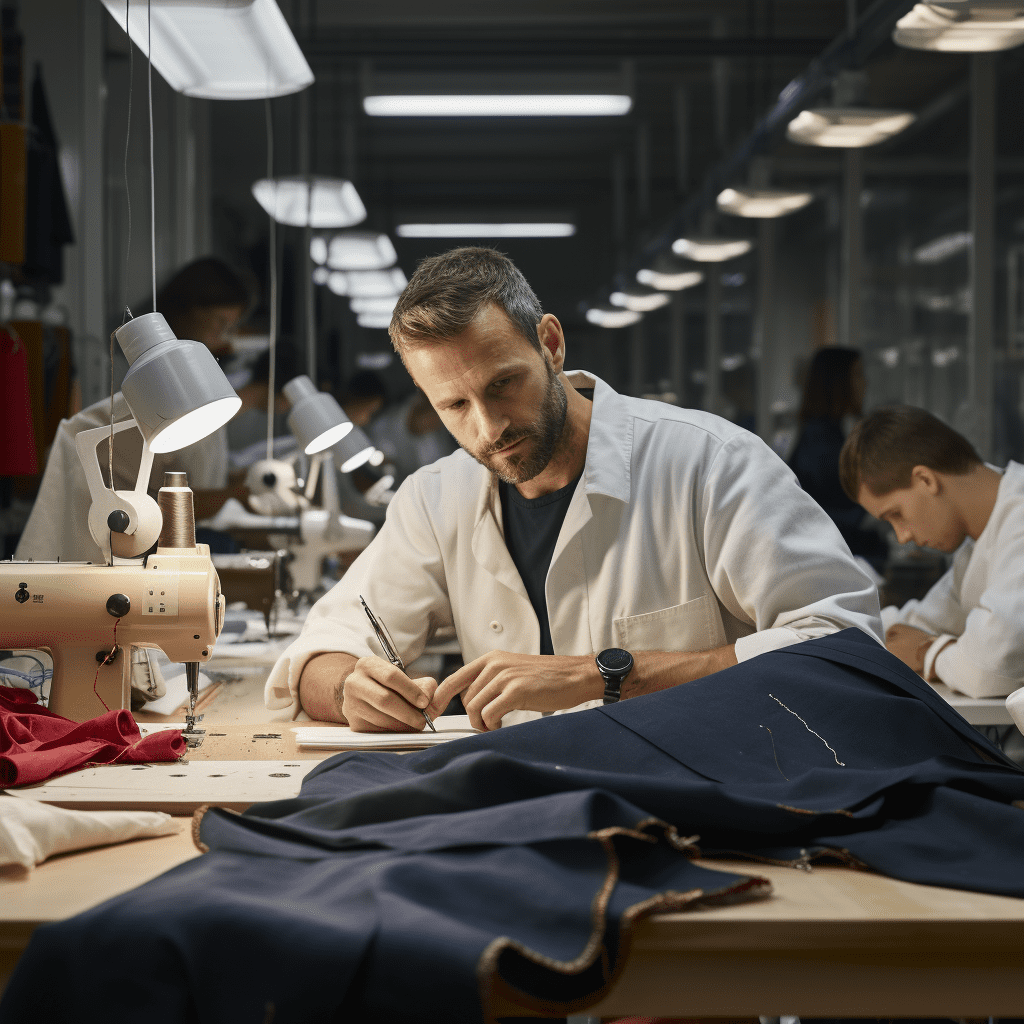
Quality is what separates luxury from average. A reputable clothing manufacturer implements strict quality control procedures:
Fabric inspection for consistency and flaws.
Stitching checks for durability and neatness.
Final garment testing for fit and comfort.
Many premium brands also work with certified facilities (ISO, OEKO-TEX) to guarantee product excellence.
Premium garments start with premium materials. Skilled manufacturers source fabrics from reputable suppliers known for organic, sustainable, and high-quality textiles.
Whether it’s Egyptian cotton, Japanese denim, or Italian wool, the right material defines the brand’s touch and feel — and ultimately, its market value.
Luxury lies in the details. A custom clothing manufacturer offers tailored options — from hand-finished seams to embroidered logos — that give your products a distinct identity.
These subtle touches communicate craftsmanship and exclusivity, helping brands stand out in a crowded fashion marketplace.
Modern consumers expect more than style — they expect responsibility. Working with an ethical clothing manufacturer enhances your brand image while supporting sustainable growth.
Ethical practices include:
Fair labor and safe working conditions.
Eco-friendly dyes and biodegradable materials.
Waste reduction and recycling initiatives.
Sustainability is no longer a trend — it’s a brand necessity.
Choosing the lowest-cost option may save money upfront but risks damaging your brand long-term.
Poor quality control, delayed deliveries, or inconsistent results can lead to lost customers and reputation damage.
Investing in a premium clothing manufacturer pays off through reliability, consistent quality, and customer trust — all of which drive higher margins over time.
Selecting the right manufacturer requires strategic evaluation. Consider these key factors:
Experience in your clothing category (casual, workwear, luxury, etc.)
Production capacity and flexibility for your brand’s growth needs.
Sample quality and attention to detail.
Communication and transparency during all production stages.
Ethical certifications and compliance with sustainability standards.
Visit factories when possible, review sample work, and build mutual understanding before committing.
Everlane — built a global reputation on radical transparency about its ethical factories.
Zara — revolutionized fashion through fast yet consistent production partnerships.
Patagonia — proved that sustainability and performance can coexist through responsible manufacturing.
Each of these brands demonstrates how the right clothing manufacturer forms the foundation of long-term success.
The next generation of clothing manufacturers is powered by technology.
3D design and prototyping reduce waste and accelerate sampling.
AI-driven quality control detects flaws before garments reach customers.
Automation and smart logistics enhance speed-to-market without compromising quality.
Tech-enabled manufacturing is redefining what “premium” means in the modern era.
Your choice of clothing manufacturer is more than a production decision — it’s a strategic investment in your brand’s reputation and future.
By prioritizing quality, craftsmanship, ethics, and innovation, brands can turn their premium vision into reality — one stitch at a time.
A clothing manufacturer turns your designs into physical garments, handling fabric sourcing, cutting, sewing, finishing, and quality control.
Start by reviewing portfolios, requesting samples, checking certifications, and communicating directly to assess responsiveness and professionalism.
A clothing manufacturer often offers end-to-end solutions including design consultation and supply chain support, while a factory typically focuses on production only.
Sustainable practices help reduce environmental impact and appeal to conscious consumers, enhancing long-term brand loyalty.
Set clear specifications, conduct pre-production sampling, and work with manufacturers who maintain rigorous quality assurance systems.