Views: 289 Author: Site Editor Publish Time: 2025-10-27 Origin: Site


When launching or scaling a clothing brand, one of the most critical decisions you will make is choosing the right clothing manufacturer. The manufacturer you partner with can directly impact the quality of your products, production timelines, costs, and ultimately, your brand reputation. A reliable garment manufacturer ensures that your designs are translated into high-quality products, produced on time, and delivered at competitive prices. In contrast, a poor choice can result in delays, product defects, and a strained brand image. This guide will help you navigate the process of finding the perfect clothing manufacturing partner for your business.
Before you start searching for a clothing manufacturer, it’s essential to have a clear understanding of your brand’s needs. Start by defining the types of garments you want to produce—whether it’s casual wear, activewear, formal attire, or custom-designed pieces. Understand the materials, designs, and sizes that align with your brand vision. Ask yourself: what does my target market expect from my brand? What values are important to my customers, such as sustainability, quality, or unique designs? Knowing your brand inside and out will help you choose a clothing manufacturer who can deliver precisely what you need. This foundation ensures that your manufacturer is not just capable but aligned with your brand’s goals and values.
The next step is research. With a multitude of clothing manufacturers available globally, it’s vital to sift through options and select the right ones. Look for manufacturers with experience in your product category, as those with a proven track record will likely be more reliable and capable of meeting your specific needs. Industry trade shows, B2B platforms like Alibaba, and word-of-mouth referrals are excellent starting points for finding manufacturers. Make sure to read reviews and check their website for information about their processes, minimum order quantities (MOQs), lead times, and specialties. By narrowing down a list of potential manufacturers, you can ensure you're partnering with those who have the right expertise and capabilities for your specific brand needs.
When choosing a clothing manufacturer, one of the biggest decisions you’ll face is whether to work with a domestic or overseas manufacturer. Domestic manufacturers tend to offer faster lead times and easier communication due to geographic proximity. However, they may come with higher production costs. On the other hand, overseas manufacturers, particularly those in countries like China, India, and Bangladesh, can often produce garments at a lower cost, but they come with potential challenges such as longer shipping times, higher minimum order quantities, and communication barriers. Evaluate your brand's needs, budget, and timelines carefully before making a decision. In many cases, a hybrid approach—working with both domestic and overseas manufacturers—can offer the best of both worlds.
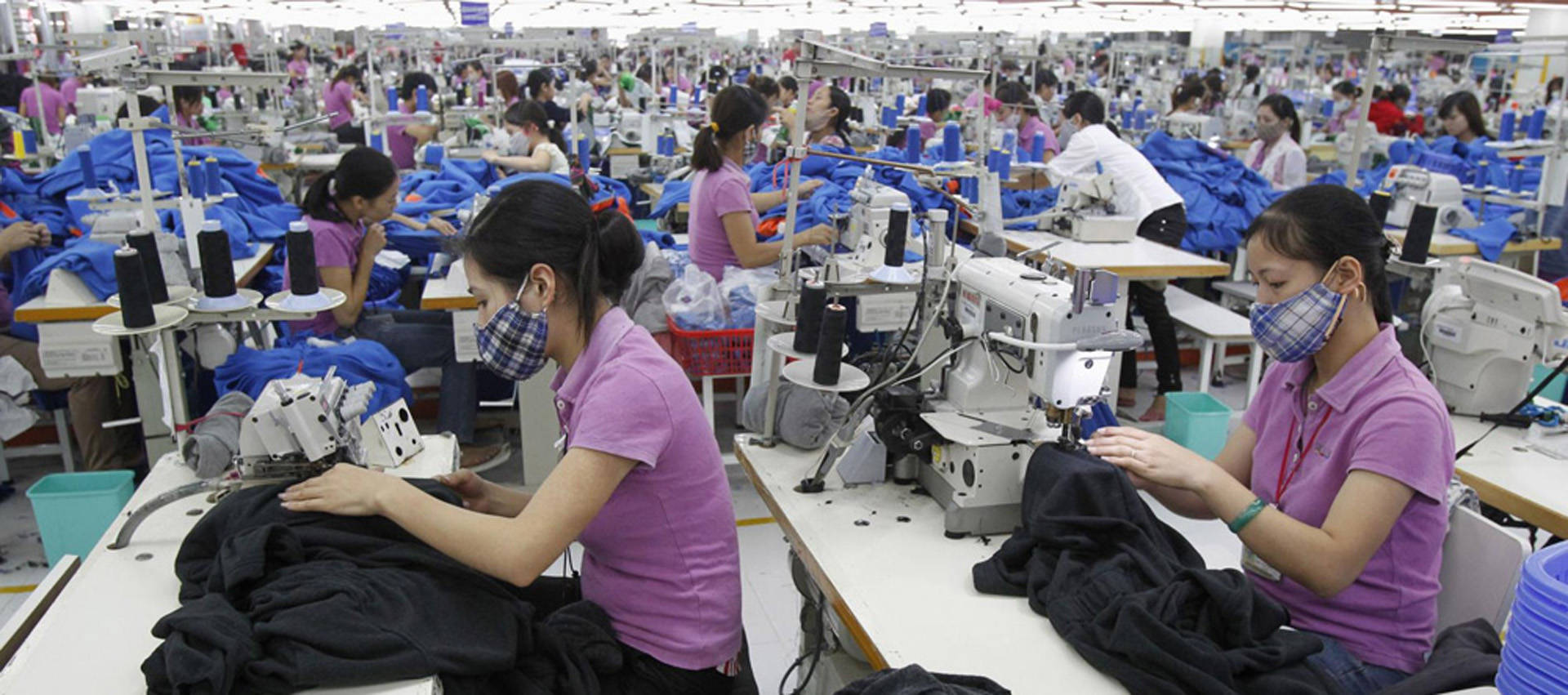
Once you've narrowed down your list of potential clothing manufacturers, it's time to assess their capabilities. A reliable clothing manufacturing partner should be experienced in producing the type of clothing you want to create. Review their portfolio to understand the range of garments they have produced in the past. Check their quality control systems and certifications to ensure that they meet international standards. Additionally, evaluate their production capacity and scalability. Can they handle small batches for a startup or scale up quickly as your brand grows? By assessing these factors, you can ensure that your manufacturer can meet your needs both now and in the future.
To ensure that you’re making an informed decision, there are several critical questions you should ask any potential clothing manufacturer. First, inquire about their minimum order quantities (MOQs)—this will help you determine whether they can accommodate your brand’s production scale. Ask about their lead times to ensure they align with your product launch schedules. Request details about their pricing structure, including unit costs and shipping fees, and any flexibility in payment terms. Finally, ask about their quality control processes and how they handle defects or returns. Clear, open communication at this stage will help prevent misunderstandings later on.
Before committing to a full production run, always request a sample. A sample gives you the chance to evaluate the manufacturer’s work firsthand and assess the quality of the final product. Pay close attention to fabric choices, stitching, color accuracy, and the overall fit. Ensure that the sample aligns with your brand's standards and customer expectations. During this process, don’t hesitate to provide feedback and request revisions if necessary. This step is crucial in establishing whether the manufacturer can meet your standards before moving forward with large orders.
Clear communication is essential when working with any clothing manufacturer. Establish regular check-ins and use project management tools like Slack, Trello, or Asana to keep track of progress. Make sure both parties are aligned on production timelines, product specifications, and quality standards. Strong relationships are built on transparency and mutual respect, so it’s crucial to be responsive and proactive in addressing any issues. Additionally, ensure that your manufacturer understands your brand's values, whether it's sustainability, quality, or customer-centricity. A manufacturer who is committed to your brand’s success will offer solutions and suggestions that help you grow.
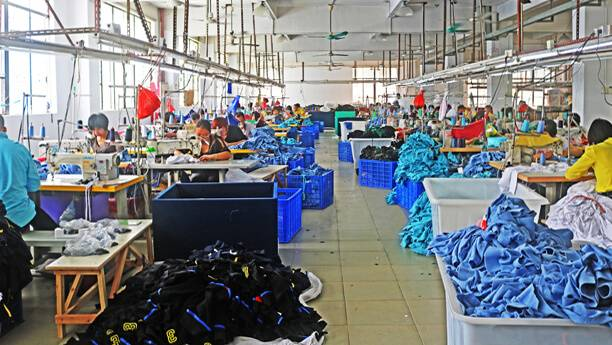
Pricing is a key consideration when selecting a clothing manufacturer, but it should not be the only factor. While it’s tempting to go for the lowest-priced option, you must balance cost with quality. High-quality products often come at a higher price point, and cheap manufacturers may cut corners on quality or use inferior materials. Understand the total cost of production, including shipping, taxes, and any hidden fees, to avoid unpleasant surprises down the line. Additionally, clarify payment terms upfront, including deposits, payment milestones, and whether they offer any discounts for bulk orders. Negotiating favorable terms can help you manage cash flow more effectively as your brand grows.
Lead times play a crucial role in ensuring that your products reach the market on time. Ask your potential clothing manufacturer for a clear estimate of production and shipping timelines. A reliable manufacturer should be able to provide an accurate production timeline based on the type of garment you're producing and the complexity of the design. It's also essential to understand how they handle delays or disruptions in the supply chain. By establishing realistic expectations and factoring in potential shipping times, you can plan your marketing campaigns, inventory management, and product launches more effectively.
Before making a final decision, always check references and reviews from other brands who have worked with the manufacturer. Look for feedback regarding their reliability, product quality, and customer service. You can find reviews on platforms like Trustpilot or by asking the manufacturer to provide you with references. Be wary of manufacturers with a limited number of reviews or feedback that seems overly generic. A trustworthy manufacturer should have a solid reputation for delivering quality products and meeting deadlines. Checking references ensures that you’re not just relying on the manufacturer’s promises but on the experiences of other business owners.
When working with a clothing manufacturer, protecting your intellectual property (IP) and brand designs is crucial. Always have a legally binding contract in place that outlines the terms of your partnership, including production details, timelines, payment terms, and quality standards. Consider including non-disclosure agreements (NDAs) to protect sensitive information such as your designs, patterns, or production methods. Additionally, ensure that the contract includes clauses around ownership of the designs and any liability in the case of defects or delays. This legal protection safeguards both you and your manufacturer and ensures a smooth working relationship.
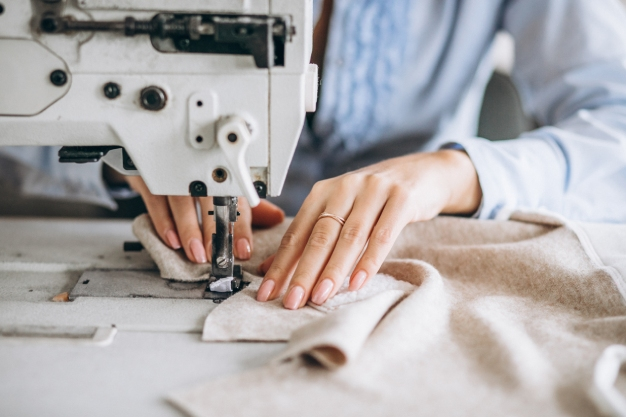
Finding the right clothing manufacturer is one of the most significant decisions you’ll make for your brand. By carefully evaluating your brand’s needs, researching potential manufacturers, and asking the right questions, you can forge a partnership that supports your business’s growth and success. Be proactive in ensuring clear communication, evaluating quality, and setting realistic expectations. The right clothing manufacturer will be a long-term ally, helping you scale your business while delivering the products your customers love. With the proper planning, your brand can thrive, with high-quality garments that elevate your business to new heights.
1. How do I find a reliable clothing manufacturer for my brand?
To find a reliable clothing manufacturer, start by researching manufacturers that specialize in your garment type. Use platforms like Alibaba, attend industry trade shows, and ask for referrals. It’s also crucial to evaluate their experience, production capacity, and quality control processes. Always request samples before committing to large orders to ensure the manufacturer can meet your standards.
2. What should I consider when choosing between domestic and overseas manufacturers?
The choice between domestic and overseas clothing manufacturers depends on factors such as cost, lead time, and communication. Domestic manufacturers may offer quicker shipping and easier communication but could come with higher production costs. Overseas manufacturers can offer lower costs, but they may involve longer shipping times and higher minimum order quantities (MOQs). Consider what matters most for your brand’s production and budget.
3. How can I ensure the quality of my garments?
To ensure garment quality, request samples and check for consistency in stitching, fabric, fit, and color accuracy. Establish clear quality control expectations with your clothing manufacturer and ask about their processes for managing defects. Regular communication and monitoring throughout production can help maintain high standards.
4. What is the typical minimum order quantity (MOQ) for a clothing manufacturer?
The MOQ for clothing manufacturers varies depending on the manufacturer and the complexity of the garments. Smaller manufacturers may accommodate smaller batches, while larger manufacturers typically have higher MOQs. Always confirm MOQs upfront to ensure they align with your production needs.