Views: 200 Author: Site Editor Publish Time: 2026-05-11 Origin: Site


Choosing a printing method sounds simple at first.
Most beginners assume it’s just about:
which print looks better
which one is cheaper
or which method lasts longer
But once production starts, the real questions become very different:
Which method still feels good after 20 washes?
Which process works on heavyweight hoodies?
Which printing style becomes too expensive at scale?
Which one looks premium in product photos but disappoints in real life?
The truth is:
there is no “best” shirt printing method.
Every technique solves a different problem.
Some are built for large production runs.
Some are designed for complex artwork.
Others only make sense for small startup brands testing products.
This guide breaks down the most common shirt printing methods from a real production perspective — not just a generic SEO list.
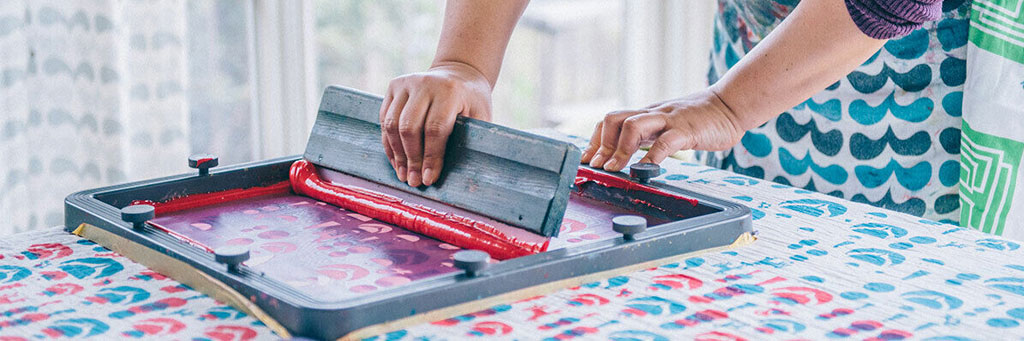
Screen printing is still the dominant method for large-scale apparel production.
Even with all the newer technologies entering the market, most major streetwear and commercial brands still rely heavily on it.
The reason is simple:
once quantity increases, screen printing becomes extremely efficient.
It works especially well for:
bulk T-shirt orders
oversized graphics
heavyweight hoodies
bold color designs
One thing many beginners notice immediately is the hand-feel.
Compared to cheaper transfer methods, good screen printing usually feels:
softer
more integrated into the fabric
less “plastic”
That’s why many premium brands still prefer it for core products.
But screen printing has obvious limitations too.
The setup process takes time:
screens need to be created
colors separated
alignment adjusted
So for small orders, costs rise quickly.
This is why screen printing makes far less sense for:
20-piece startup drops
rapidly changing designs
low MOQ testing
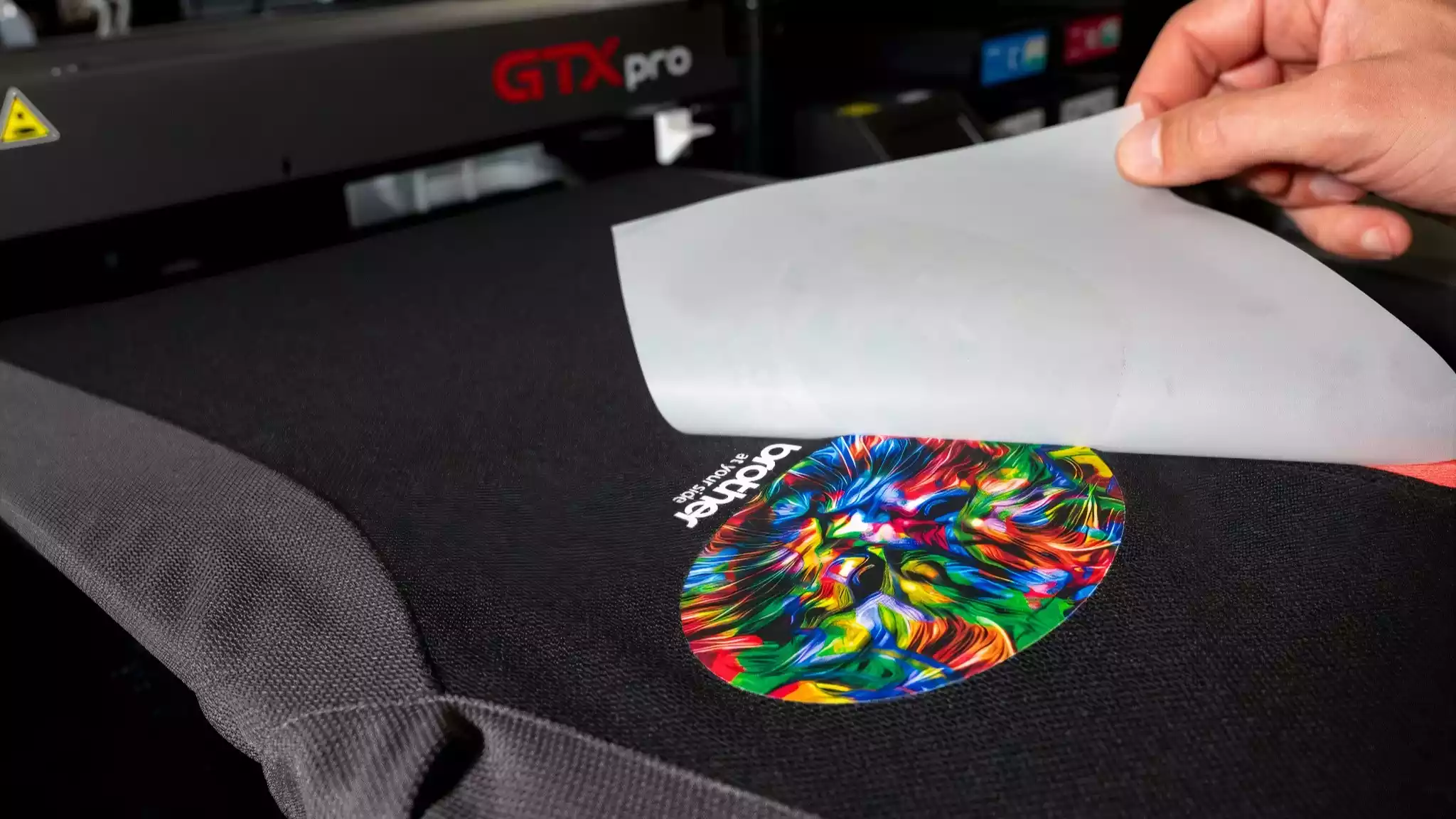
DTF exploded in popularity because it solved a problem traditional printing struggled with:
small-batch full-color printing.
For startup brands, this changed everything.
Instead of opening multiple screens for a complicated graphic, brands could now:
print quickly
change designs easily
test products with lower risk
DTF performs surprisingly well on:
hoodies
fleece
workwear
polyester blends
Especially for smaller collections.
But this is also one of the most misunderstood printing methods online.
Cheap DTF often creates:
stiff prints
poor breathability
cracking after washing
Large graphics can sometimes feel like a layer sitting on top of the fabric instead of becoming part of it.
This is why many experienced brands use DTF mainly for:
sampling
test launches
short production runs
And later move successful designs into screen printing.
.jpg)
DTG works more like a paper printer for garments.
Instead of transferring a design onto fabric, the ink is printed directly into the garment surface.
The biggest advantage is the feel.
When done correctly, DTG can produce:
softer prints
smoother gradients
more natural detail reproduction
It works especially well for:
artistic graphics
photography-based designs
highly detailed artwork
But DTG is also more sensitive than many people realize.
Fabric quality matters a lot.
Cheap cotton often produces:
dull colors
inconsistent absorption
weaker print sharpness
Dark garments can also become problematic because pretreatment quality heavily affects the final result.
In real production, DTG usually works best for:
premium cotton garments
smaller fashion collections
detail-focused graphics
Not large industrial bulk orders.
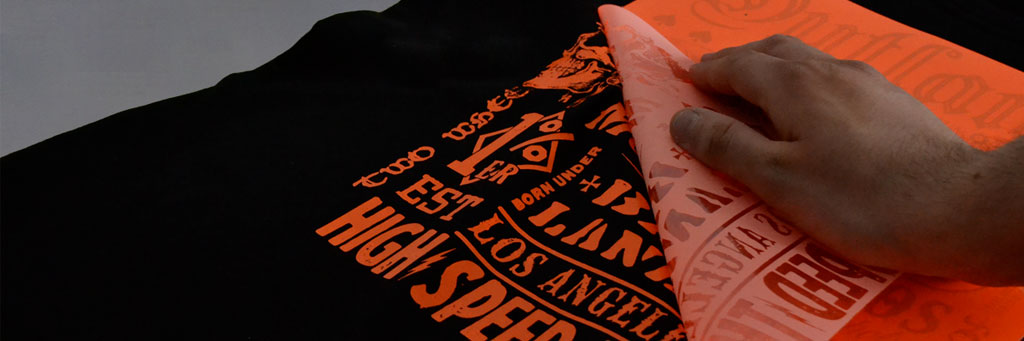
Heat transfer printing is common because it’s accessible.
A lot of smaller businesses start here simply because:
startup cost is low
equipment is easier to operate
production is relatively simple
The process involves pressing a pre-made transfer onto fabric using heat and pressure.
For simple projects, it works fine.
But durability varies massively depending on material quality.
Low-end heat transfers often fail in predictable ways:
peeling edges
cracking
glossy texture changes after washing
That’s why this method is usually more common in:
promotional apparel
event merchandise
temporary campaigns
rather than premium long-term fashion products.

Sublimation is completely different from most printing methods.
Instead of placing ink on top of fabric, the dye becomes part of the material itself.
That creates several advantages:
no heavy print feel
extremely vibrant colors
strong wash durability
But sublimation has a major limitation:
it mainly works on polyester.
And not just any polyester — lighter-colored polyester performs best.
That’s why sublimation dominates categories like:
sportswear
cycling jerseys
performance apparel
But it makes far less sense for:
heavyweight cotton streetwear
dark garments
vintage-wash fashion products

HTV (Heat Transfer Vinyl) is widely used for:
names
numbers
small logo customization
Especially in:
sports uniforms
team apparel
event wear
The biggest advantage is precision.
It works well for clean typography and sharp shapes.
But for large fashion graphics, HTV usually feels too heavy and artificial.
You can often immediately recognize vinyl prints because they sit noticeably on top of the fabric surface.
For fashion brands, HTV is typically used as:
a supplementary decoration method
not the main production technique

Puff printing became extremely popular in modern streetwear.
The reason is visual texture.
Instead of lying flat, puff ink expands during curing and creates a raised effect.
It works particularly well for:
oversized hoodies
minimal logo graphics
premium streetwear aesthetics
But puff printing is harder to control than standard screen printing.
Too much expansion can distort artwork.
Too little makes the effect barely visible.
This is one of those techniques that looks simple online but requires experienced production control to execute well consistently.
The real answer depends on what stage the brand is in.
Usually prioritize:
low MOQ
flexibility
testing products quickly
DTF and DTG often make the most sense here.
Start focusing more on:
consistency
wash durability
production efficiency
This is where screen printing becomes more attractive.
Usually care heavily about:
hand-feel
garment quality
print integration
So they often combine multiple techniques depending on the product.
A lot of people choose printing methods based only on:
price
appearance in photos
supplier recommendations
But production reality is different.
A print can look amazing on day one and feel terrible after washing.
That’s why experienced manufacturers always test:
wash durability
stretch behavior
cracking resistance
long-term texture changes
before scaling production.
Every printing method has trade-offs.
The biggest mistake is assuming newer technology automatically means better quality.
Sometimes:
a simple screen print outperforms expensive digital methods
a heavyweight hoodie hides DTF texture perfectly
a premium cotton tee works far better with DTG
The “best” method is usually the one that fits:
the garment
the artwork
the production volume
and the brand’s current stage
Because in real apparel manufacturing, printing is not just decoration.
It directly affects:
product feel
customer perception
and long-term brand quality.