Views: 233 Author: Site Editor Publish Time: 2026-05-13 Origin: Site


A lot of startup brands only realize how complicated T-shirt printing costs are after receiving their first real quotation from a factory.
The mockup looked simple.
The production pricing didn’t.
At first glance, it looks straightforward:
more pieces = lower price
more colors = higher price
bigger print = more expensive
But once real production starts, pricing becomes much more complicated.
Two shirts with the same artwork can end up with completely different costs depending on:
fabric type
print placement
production quantity
printing method
wash requirements
and even shipping strategy
This is why many startup brands get surprised after receiving actual factory quotations.
The mockup looked simple.
The production reality wasn’t.
In 2026, printing costs are also changing because factories are dealing with:
rising labor costs
smaller average order quantities
faster production expectations
and increasing demand for premium-quality finishing
This guide breaks down what actually affects T-shirt printing costs — from a real manufacturing perspective, not just a basic pricing list.
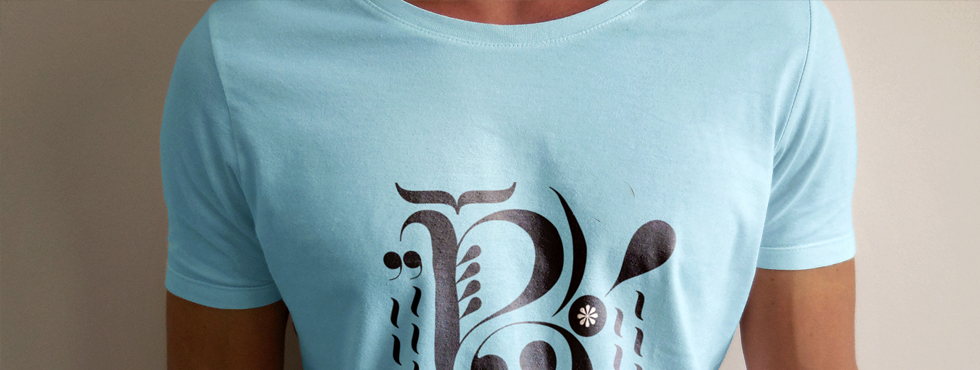
The biggest factor affecting cost is usually the printing method itself.
Different techniques have completely different production structures.
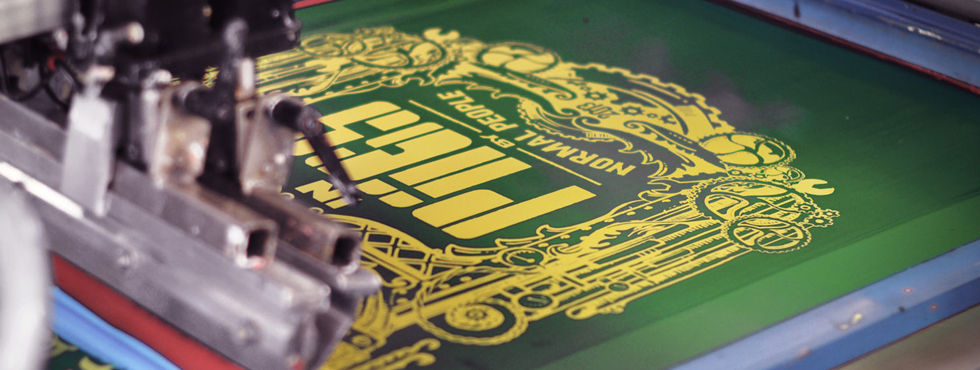
Screen printing still dominates large-volume production because unit cost drops significantly at scale.
For example:
50 shirts may feel expensive
but 1000 shirts becomes dramatically cheaper per piece
The reason is setup.
Factories need to:
separate colors
prepare screens
align artwork
test registration
That setup cost exists whether you print:
30 pieces
or 3000 pieces
This is also why many startup brands are surprised when small-batch screen printing quotes come back much higher than expected.
From the factory’s perspective, most of the preparation work still needs to happen even for a relatively small order.
But once volume increases, it usually becomes the most cost-effective option.
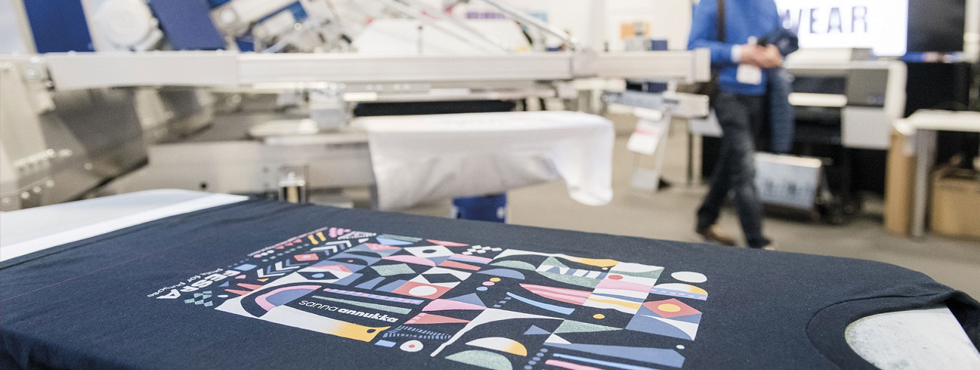
DTF became extremely popular because it lowered the barrier for smaller brands.
You can:
print complex artwork
avoid screen setup
change designs quickly
without large upfront costs.
But many people misunderstand DTF pricing.
Cheap DTF quotes often use:
thinner film
lower-quality adhesive powder
unstable pressing temperatures
which may reduce cost initially but create:
cracking
peeling
stiff prints
after repeated washing.
Some low-cost DTF samples actually look acceptable at first.
The problems usually appear later — especially after repeated washing, when cracking starts showing around high-stretch areas like shoulders and oversized back prints.
In 2026, many brands are now paying more attention to:
wash durability
softness
long-term wearability
instead of only chasing low production prices.
DTG pricing is usually influenced by:
garment quality
artwork detail
print size
pretreatment process
Unlike screen printing, DTG works better for:
small orders
detailed graphics
art-heavy designs
But it also becomes slower in bulk production.
Large DTG runs often require:
additional maintenance
more quality control
color consistency adjustments
which many beginners underestimate.
This is one of the oldest pricing factors in apparel printing.
For screen printing especially:
more colors = more setup work.
Every additional color may require:
another screen
additional alignment
extra testing time
A simple one-color chest logo and a six-color oversized back print are completely different production jobs.
Many newer brands focus heavily on visual complexity without realizing how quickly production difficulty rises once multiple print colors and oversized placements are combined together.
This is why many experienced brands simplify artwork before bulk production.
Not because they dislike detailed graphics —
but because scalability matters.
Larger prints usually require:
more ink
more curing time
longer press cycles
additional quality checking
Oversized prints became very popular in streetwear during the past few years.
But in 2026, many brands are slowly moving back toward:
cleaner graphics
smaller placements
tonal branding
minimal front logos
Partly because fashion trends are changing.
But also because:
smaller prints are often easier to scale consistently in production.
Large full-front graphics may look impressive online, but they also:
increase production risk
raise shipping weight slightly
and create more wash durability problems
especially on lightweight garments.
Many people think printing cost and garment cost are separate.
In reality, they affect each other heavily.
For example:
Cheap cotton often creates:
uneven ink absorption
dull colors
weaker print sharpness
which increases production inconsistency.
Premium heavyweight cotton usually produces:
better print clarity
cleaner edges
improved durability
but garment prices rise significantly.
This is why many experienced manufacturers recommend choosing:
fabric
printing method
and artwork style
together instead of separately.
MOQ has a massive impact on pricing.
Small orders usually cost more because factories still spend nearly the same amount of time on:
setup
machine adjustment
testing
and quality control
Whether you produce:
50 shirts
or 500 shirts
the preparation process is often surprisingly similar.
This is why many manufacturers encourage brands to:
consolidate colorways
reduce unnecessary size splits
simplify artwork variations
before production.
In 2026, smaller MOQs are becoming more common than before.
But low MOQ almost never means:
low unit cost.
That misconception still causes a lot of frustration for newer brands.
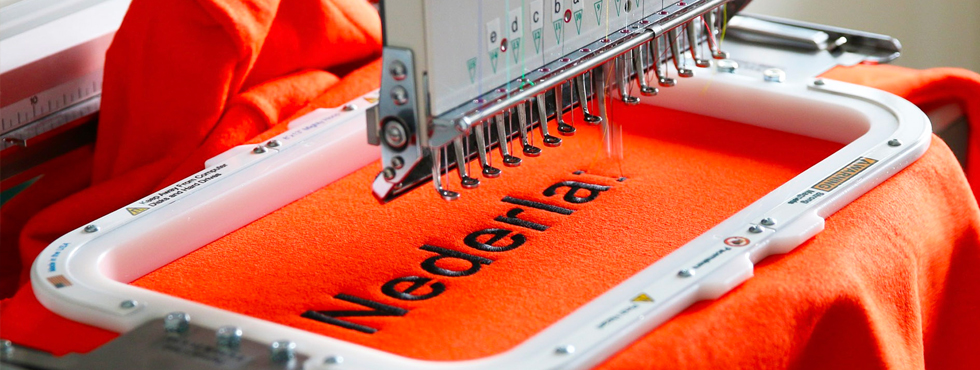
Basic printing is only part of the final product.
Modern brands increasingly add:
puff printing
reflective ink
vintage wash effects
embroidery combinations
distressing
silicone logos
to create more premium products.
These details often look simple in photos.
But in production, they add:
additional labor
more testing
longer lead times
and higher defect risk
especially when multiple decoration techniques are combined together.
A few years ago, many brands focused only on manufacturing prices.
This became even more noticeable after more brands shifted toward heavyweight streetwear and oversized hoodie collections over the past few years.
Especially for:
heavyweight garments
oversized hoodies
multi-piece packaging
international orders
Some brands reduce production cost slightly but end up paying far more during shipping.
This is why experienced factories now often discuss:
packaging optimization
carton efficiency
fabric weight strategy
before mass production even starts.
One of the biggest mistakes brands make is chasing the cheapest quotation.
Low-cost suppliers often cut corners through:
weaker ink quality
rushed curing
cheaper transfer materials
inconsistent QC
The products may look acceptable initially.
But problems usually appear later:
cracking after washing
color fading
peeling graphics
inconsistent sizing
which damages customer trust far more than the original savings helped.
T-shirt printing costs are never just about “printing.”
Real pricing depends on:
production scale
fabric quality
decoration complexity
durability expectations
and long-term brand positioning
The cheapest option is rarely the best long-term decision.
Especially in 2026, customers are paying much more attention to:
fabric feel
print durability
and overall garment quality
not just graphic appearance.
Because for most successful clothing brands today, the goal is no longer simply making products that look good online.
Cheap printing problems rarely destroy a brand immediately.
Most issues only appear after repeated washing and regular wear — when customers stop judging the product by launch photos and start judging it by actual quality.