Views: 200 Author: Site Editor Publish Time: 2026-05-12 Origin: Site


Putting a logo on a hat sounds simple until production actually begins.
A logo that looks clean on a mockup can suddenly become:
distorted after embroidery
too stiff on soft caps
peeling after outdoor use
or completely unreadable on curved panels
A lot of startup brands only think about the artwork itself.
But experienced manufacturers usually pay more attention to:
hat structure
fabric thickness
panel shape
logo size
and long-term durability
Because the same logo can look completely different depending on the decoration method.
In 2026, brands are also moving away from overly complicated logo applications.
Compared to the oversized logo era a few years ago, more brands are now choosing:
cleaner embroidery
tonal logos
textured patches
vintage finishing
and smaller placement details
This guide breaks down the most common ways to put a logo on a hat — and where each method actually works best in production.

Embroidery is still the most widely used hat logo method.
For many brands, it immediately creates a more premium appearance compared to printed logos.
It works especially well on:
snapbacks
trucker hats
structured baseball caps
heavyweight cotton caps
One reason embroidery remains dominant is durability.
Good embroidery can survive:
repeated washing
outdoor wear
daily friction
without fading as quickly as printed methods.
But embroidery also has limitations that many beginners overlook.
Dense stitching on soft hats can cause:
front panel wrinkling
logo distortion
uneven tension around the design
This becomes more noticeable on:
unstructured dad hats
lightweight cotton caps
thin nylon hats
That’s why experienced manufacturers usually simplify embroidery designs before production.
Very small text and highly detailed graphics rarely translate well onto hats.

Woven patches have become much more popular in recent years, especially in streetwear and outdoor brands.
Instead of creating texture through stitching height like embroidery, woven patches focus on:
finer detail
cleaner edges
sharper small text
This makes them ideal for:
minimalist branding
technical logos
vintage-inspired labels
Compared to embroidery, woven patches usually feel:
flatter
lighter
more flexible on softer caps
In 2026, many brands are combining woven patches with:
washed caps
faded finishes
earth-tone color palettes
because the overall aesthetic feels less aggressive and more wearable.
One thing many cheaper suppliers get wrong is patch edge quality.
Low-end woven patches often start lifting around the corners after extended wear.
So edge finishing and stitching quality matter far more than most people expect.

Leather patches became extremely popular during the “heritage branding” trend.
They are still widely used for:
outdoor brands
workwear
premium lifestyle caps
especially when brands want a cleaner and more understated logo style.
Real leather patches usually age better over time and develop natural texture changes.
But many lower-cost suppliers now use synthetic PU leather instead.
At first glance, the difference is difficult to notice.
After repeated heat exposure and outdoor use, however, cheaper PU patches often:
crack
harden
lose surface texture
This is why premium brands usually pay close attention to patch material quality instead of only focusing on appearance.

PVC patches create a very different look from traditional embroidery.
Instead of texture from thread, they produce:
raised 3D logos
clean molded shapes
weather-resistant surfaces
This style became increasingly common in:
tactical brands
outdoor gear
modern sportswear
utility-inspired fashion
PVC performs especially well in harsh conditions because it handles:
moisture
dirt
sunlight
better than many fabric-based methods.
But visually, PVC also creates a more aggressive and technical aesthetic.
For softer vintage-style brands, it can sometimes feel too industrial.
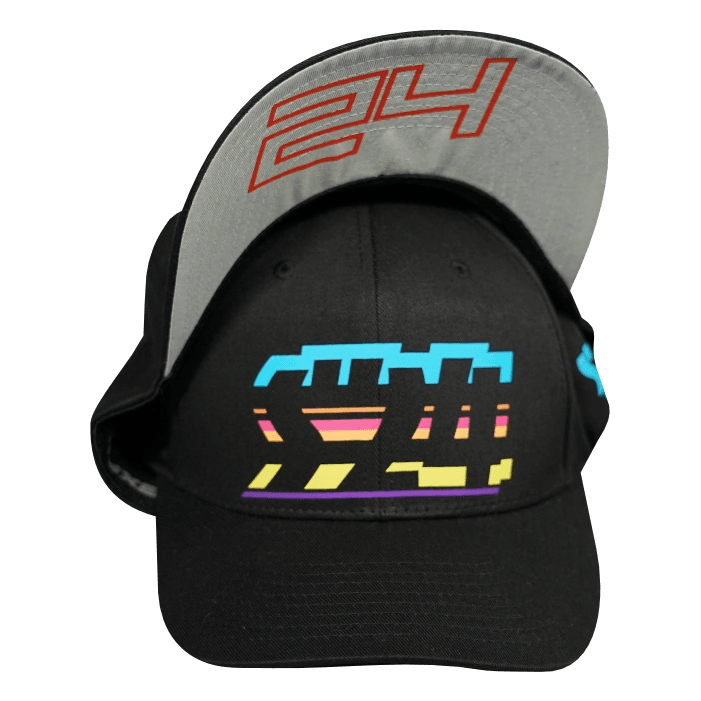
Heat transfer is one of the fastest and cheapest logo application methods.
It’s commonly used for:
promotional hats
event merchandise
short-term campaigns
because setup costs stay relatively low.
Modern heat transfers in 2026 are noticeably better than older versions.
Higher-quality films now offer:
softer finishes
matte textures
better stretch resistance
But durability still depends heavily on production quality.
Cheap transfers often begin failing around:
brim curves
edge pressure points
sweat-heavy areas
especially during summer outdoor use.
For long-term fashion products, heat transfer is usually better suited for:
smaller side logos
interior branding
temporary collections
rather than primary front-panel branding.

Puff embroidery creates a raised 3D effect by lifting the stitching above the fabric surface.
This method became extremely popular in:
modern streetwear
luxury sportswear
oversized logo caps
because it creates stronger visual depth in photos and videos.
But puff embroidery is also harder to execute correctly than standard embroidery.
On curved front panels, poor foam control can lead to:
uneven logo height
warped edges
inconsistent stitching tension
This is why experienced embroidery factories usually adjust:
stitch density
foam thickness
logo spacing
specifically for puff applications.
Oversized puff logos may look impressive online, but they often become uncomfortable for daily wear if the embroidery becomes too stiff.
There is no single best option.
The right method depends on:
the hat style
logo complexity
target customer
and brand positioning
For example:
Hat Type | Usually Works Best |
|---|---|
Structured Snapbacks | Embroidery / Puff Embroidery |
Dad Hats | Woven Patches / Small Embroidery |
Outdoor Caps | PVC / Leather Patches |
Fashion Streetwear | Puff Embroidery / Woven Labels |
Promotional Hats | Heat Transfer |
The biggest mistake many brands make is choosing methods based only on appearance.
A logo can look great in product photos but fail completely in real production.
Compared to previous years, hat branding in 2026 is becoming:
cleaner
smaller
more texture-focused
Large aggressive front logos are becoming less dominant in premium fashion.
Instead, brands are increasingly using:
tonal embroidery
side logo placement
low-profile woven labels
vintage fading effects
mixed-material branding
Many brands are also combining multiple techniques on one hat, such as:
embroidery + woven label
leather patch + tonal stitching
PVC logo + reflective details
to create more layered products.
The best hat logos usually look effortless.
But behind that simplicity is a lot of production decision-making:
stitch density
patch material
panel structure
fabric tension
logo scaling
A method that works perfectly on one hat can completely fail on another.
That’s why experienced manufacturers rarely choose logo methods based only on trends.
They choose based on:
durability
fabric compatibility
wearability
and how the hat actually looks after months of use — not just on launch day.