Views: 166 Author: Site Editor Publish Time: 2026-05-13 Origin: Site


DTF printing has become one of the fastest-growing decoration methods in apparel manufacturing.
Over the past few years, many small clothing brands, print-on-demand sellers, and startup streetwear labels started using DTF because it solves a problem that traditional printing methods struggle with:
low MOQ customization with full-color designs.
But despite the hype, DTF is not perfect — and many brands misunderstand where it actually works best.
Some garments look great with DTF.
Others end up feeling like a plastic layer after washing.
So instead of repeating the usual “DTF is revolutionary” marketing language, this guide explains:
how DTF printing actually works
where it performs well
where it causes problems
and how brands realistically use it in production
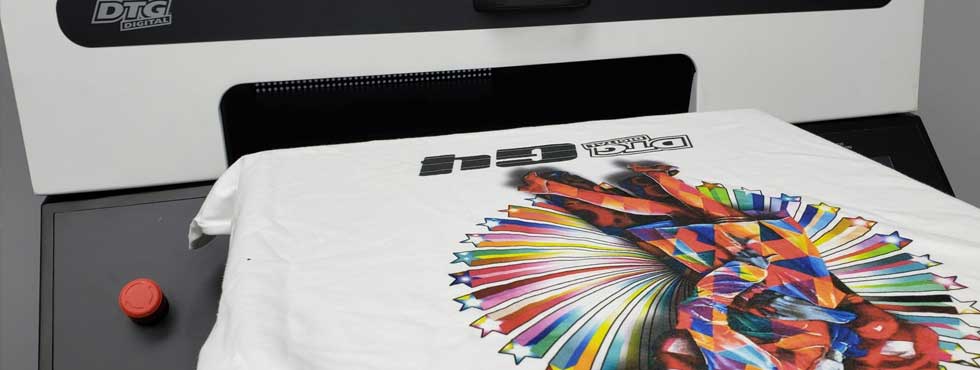
DTF stands for:
The process works by:
printing a design onto a special transfer film
applying adhesive powder to the print
heat pressing the design onto fabric
Unlike screen printing, DTF does not require separate screens for each color.
Unlike DTG (Direct to Garment), it also works on a wider range of fabrics.
That flexibility is one reason why it became popular so quickly.
From the outside, DTF looks simple.
But in production, the quality depends heavily on:
film quality
adhesive powder
heat press settings
fabric compatibility
A typical workflow looks like this:
The artwork is printed onto PET transfer film using specialized DTF ink.
Adhesive powder is applied while the ink is still wet.
This stage matters more than many beginners realize.
Too much powder can make prints feel thick and stiff.
Too little can reduce wash durability.
The adhesive is cured before transfer.
Incorrect curing temperature is one of the most common reasons DTF prints crack early.
The finished transfer is pressed onto the garment using heat and pressure.
At this point, fabric choice becomes critical.
DTF behaves very differently on:
heavyweight hoodies
cotton tees
polyester activewear
fleece fabrics
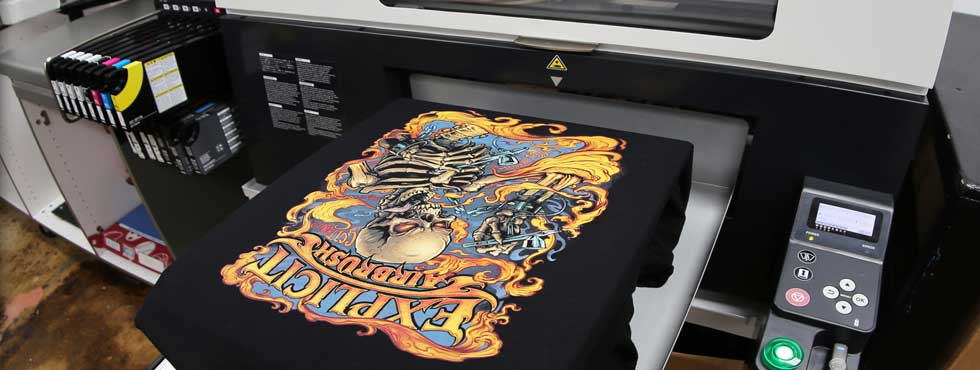
The biggest reason is flexibility.
Traditional screen printing works best for:
large quantities
limited color designs
But many newer brands operate differently:
smaller runs
frequent design changes
high graphic variation
DTF fits that model very well.
It allows brands to:
print complex artwork
avoid large MOQs
test designs quickly
launch products faster
For startup brands, that matters a lot.
This is where many articles become too generic.
In reality, DTF performs better on some products than others.
DTF works surprisingly well on heavyweight garments.
Thicker fabrics help reduce the “transfer feel” that cheaper DTF prints sometimes create.
This is why many streetwear brands use DTF for:
oversized hoodies
graphic sweatshirts
small-batch drops
Especially during early product testing.
DTF also performs well on synthetic fabrics where DTG struggles.
That includes:
polyester blends
performance wear
gym apparel
The stretch performance is usually better than people expect — assuming the transfer quality is good.
For early-stage brands, DTF solves a major problem:
you do not need huge production quantities.
That makes it useful for:
startup collections
test launches
limited edition graphics
This is the part many “SEO articles” avoid.
DTF is useful — but it also has real limitations.
This is probably the most common complaint.
When designs become too large, DTF can create:
stiffness
poor breathability
a “plastic layer” feeling
This becomes especially noticeable on lightweight T-shirts.
That’s why many premium brands still prefer screen printing for oversized graphics.
Low-quality DTF often looks good initially.
The problems appear later:
cracking
peeling
glossy texture changes
edge lifting after washing
The issue is usually not “DTF itself” — it’s poor production settings and low-quality film.
A design transferred onto:
cotton
fleece
polyester
can look slightly different on each material.
Experienced manufacturers usually compensate for this during production.
Cheap suppliers often don’t.
This comparison matters because many brands eventually choose between the two.
DTF Printing | Screen Printing |
|---|---|
Better for small runs | Better for large bulk orders |
Easier full-color graphics | Better long-term durability |
Faster design changes | Lower cost at high volume |
Softer setup requirements | Softer hand-feel on large prints |
In reality, many brands use both:
DTF for testing
screen printing for scaling
DTG and DTF are often confused, but they behave differently.
DTG:
prints directly into fabric
usually feels softer
works best on cotton
DTF:
transfers onto fabric surface
works on more materials
handles color vibrancy better on dark garments
DTF is generally more flexible.
DTG usually feels more natural on premium cotton.
It depends on the stage of the brand.
For early-stage brands, DTF is often a smart choice because:
setup cost is lower
testing products is easier
designs can change quickly
But once volume grows, many brands transition toward:
screen printing
embroidery
hybrid decoration methods
because production consistency and hand-feel become more important at scale.
A lot of suppliers claim they “do DTF”.
That doesn’t mean they do it well.
A reliable supplier should understand:
fabric compatibility
curing temperature control
stretch testing
wash durability standards
The easiest way to spot weak suppliers is simple:
ask for wash test videos after multiple cycles.
Most low-end DTF suppliers avoid showing long-term durability.
DTF printing is not a magic solution.
It is simply a tool — and like every tool, it works well in some situations and poorly in others.
For most clothing brands, the smartest approach is:
use DTF for flexibility and testing
scale into other methods when products stabilize
Because in real apparel production, the biggest challenge is usually not:
“How do we print this?”
It’s:
“How do we keep quality consistent when orders grow?”